
The crop continues to move forward across Farmward territory, but the focus is beginning to shift once again.
Most post-emerge herbicide applications are complete, corn is approaching reproductive stages, and soybeans are beginning to flower. At the same time, growers are starting to scout for insects, evaluate weed escapes, and prepare for fungicide season.
Overall, crops look good across much of the region. However, dry conditions in some areas and continued waterhemp pressure remind us that the season is far from over.
What We’re Seeing Across the Region
Southern Region
Weed control in soybeans has generally been strong across the southern region this year.
Many growers who layered residual herbicides with their post-emerge applications are seeing the benefits now, with cleaner fields and fewer weed escapes.
A few high-pressure soybean fields will require a second pass, but overall weed control has been positive.
Soybeans have also begun flowering, marking an important stage in crop development.
As we move into July, scouting priorities will begin to shift toward insect pressure. Growers should start monitoring:
- Soybean aphids in soybean fields
- Corn rootworm activity in corn fields
Fungicide season is also approaching quickly, with application decisions for both corn and soybeans only a few weeks away.
Northern Region
The northern region remains busy as growers continue soybean applications and begin preparing for the next phase of crop protection.
One topic generating attention is tank mix management.
As more products are added to spray tanks—including herbicides, fungicides, micronutrients, and adjuvants—the importance of proper mixing order becomes even more critical.
Even a simple three-product mix can create compatibility issues if products are not added correctly.
Growers are also finding value in:
- Adding fungicides to soybean second-pass applications
- Including micronutrients where needed
- Using proper adjuvant rates to maximize herbicide performance
Layering residual herbicides continues to pay dividends in soybean fields as growers work to stay ahead of waterhemp pressure.
Tassel-time corn fungicide applications are now only a few weeks away and should be part of current crop planning discussions.
Western Region
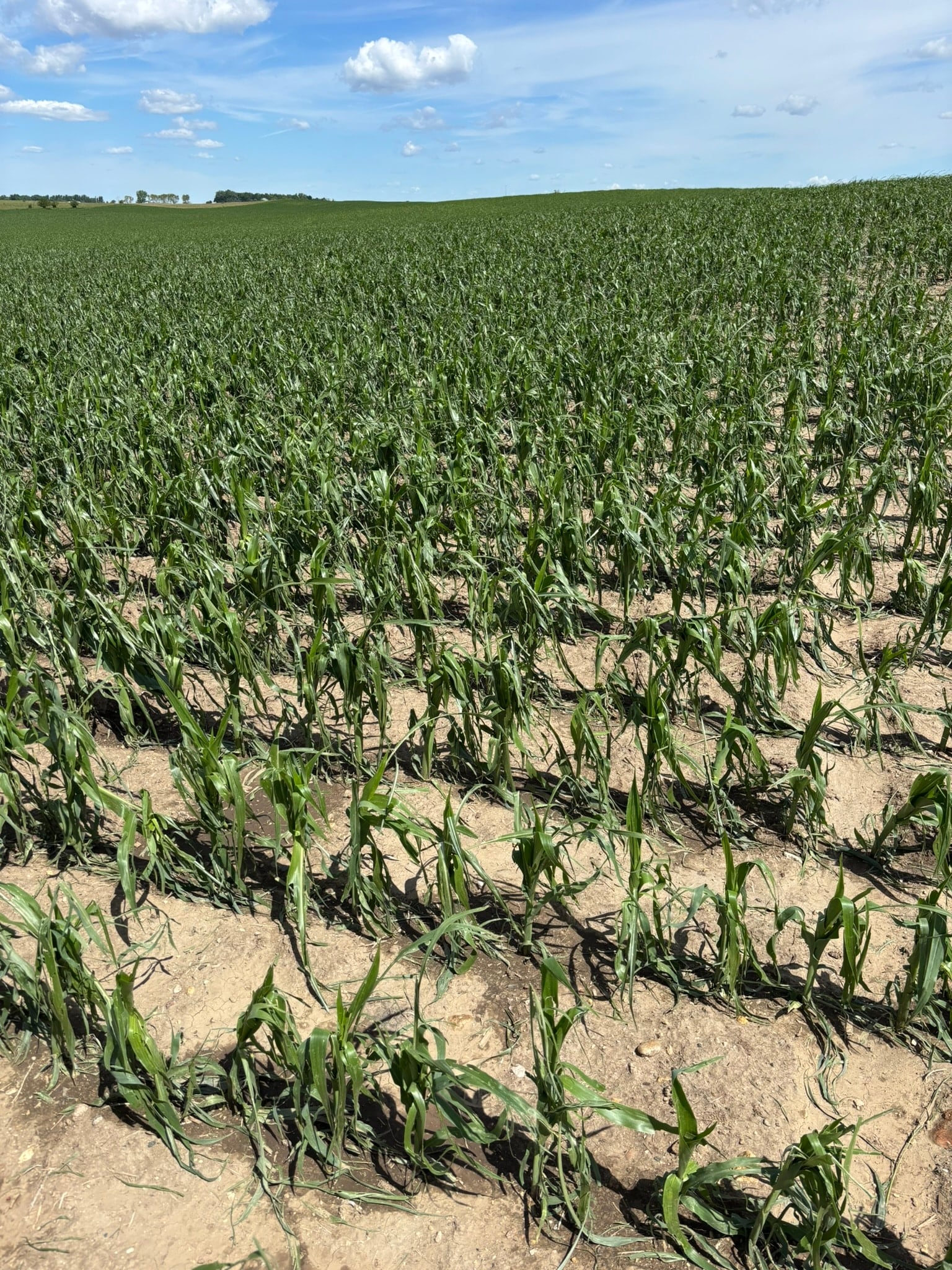
Dry conditions are becoming the biggest topic across parts of the western region.
Rainfall has been limited over the past several weeks, and while crops continue to look good overall, additional moisture would be welcomed.
Corn has progressed into the V6–V8 growth stages and has canopied nicely in many fields.
Soybeans, however, have been slower to grow and still have some ground to cover before rows close.
Waterhemp remains the biggest challenge.
Growers are encouraged to continue scouting aggressively, as some soybean fields are beginning to require a second application to control escapes and maintain clean fields through the remainder of the season.
The message remains simple:
Don't assume fields are clean because they were sprayed once. Make sure to go look.
What This Means for Your Operation
Fungicide season is approaching quickly – Now is the time to evaluate application plans before key timing windows arrive.
Waterhemp pressure remains active – Some soybean fields may require another pass to maintain control.
Insect scouting should begin – Soybean aphids and corn rootworm activity will become more important over the next several weeks.
Spray program details matter – Proper adjuvants, tank mix order, and residual layering continue to separate good programs from great ones.
Dry conditions bear watching – Especially in western areas where rainfall has been limited.
This Week’s Recommendations
-
Scout soybean fields for waterhemp escapes and evaluate whether a second pass is needed.
-
Begin monitoring soybean fields for aphids and corn fields for rootworm activity.
-
Review fungicide plans for both corn and soybeans ahead of upcoming application windows.
-
Follow proper mixing order and adjuvant recommendations to maximize spray performance.
-
Continue evaluating soybean canopy development and late-season weed pressure.
-
Monitor moisture conditions closely and adjust management plans accordingly.