
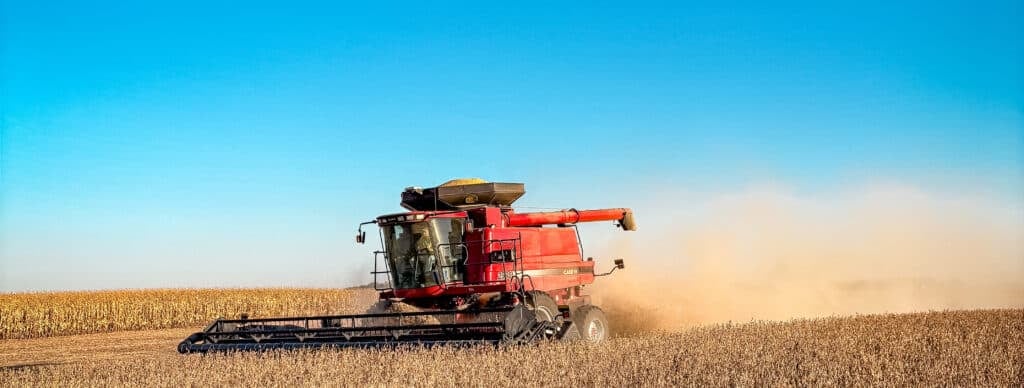
Clean Soybeans Start in the Field
When it comes to soybeans, quality counts. And while clean soybeans benefit everyone throughout the supply chain, the benefits start with you—the grower.
Reducing foreign material (FM) in the soybeans you deliver to Farmward can help protect the value of your crop, reduce potential dockage and discounts, and make your grain easier to handle from the field to the elevator.
Soybean Education: What Is Foreign Material?
Foreign material refers to anything that isn’t the soybean itself—such as weed seeds, stems, pods, dirt and other debris. Even small amounts can add up quickly, affecting the quality, handling and value of your load.
The cleaner the soybeans you bring in, the more of your load is actually valuable grain.
Why Lower Foreign Material Matters to You
Keeping FM low isn’t just about meeting quality standards. It can directly benefit your operation.
- Protect more of your grain’s value: Less FM can mean less dockage and fewer potential discounts, helping you get more value from every load.
- Reduce unnecessary material you’re hauling: When loads contain less dirt, stems, pods and other debris, you’re hauling more soybeans and less material that doesn’t contribute to your return.
- Improve handling and storage: Cleaner beans can flow more easily through equipment and may help reduce buildup, blockages and unnecessary wear.
- Maintain grain quality: Reducing broken beans and debris can help support better storage conditions and overall grain quality.
- Create more market opportunities: Consistent, high-quality soybeans are valuable to processors and end-users, helping maintain strong demand for your crop.
Cleaner soybeans aren’t just better for the elevator—they can be better for your bottom line.
Clean Soybeans Start in the Field
The work to reduce FM starts long before your soybeans reach the Farmward scale.
Pre-Harvest
- Scout fields early: Identify weed pressure, including pigweed, foxtail and volunteer corn, that could end up in your soybean sample.
- Apply timely weed control: Residual herbicides and post-emergence treatments can help keep fields clean heading into harvest.
- Manage problem areas: Pay attention to areas with heavy weed pressure or excessive plant residue that could contribute to FM at harvest.
At Harvest
- Adjust combine settings: Set cylinder/rotor speed low enough to minimize splits and damage.
- Fine-tune concave clearance and fan speed: Proper settings can help reduce stems, pods and other debris in the sample.
- Check sieves and screens regularly: Clean out buildup and make adjustments as field conditions change.
- Harvest at the right moisture: Around 13–15% moisture can help reduce splitting, cracking and excess pods or stems in the sample.
- Harvest on time: Over-dry beans can shatter more easily, increasing splits and FM.
Keep It Clean After the Combine
Good grain quality doesn’t stop when the beans leave the field. How you handle and store your crop can also affect what arrives at the elevator.
Post-Harvest Handling
- Clean equipment before loading: Trucks, wagons, augers and grain carts should be free of dirt, old grain and residue.
- Avoid overfilling grain carts or trucks: Overloaded equipment can spill or crush beans, contributing to grain loss and FM.
- Handle beans carefully: Minimize unnecessary drops and rough handling that can lead to cracked or broken beans.
- Dry soybeans gently if needed: Excessive heat can damage seed coats and contribute to cracking.
Storage
- Aerate bins: Proper aeration helps prevent hot spots and maintain grain quality.
- Inspect regularly: Watch for insects, moisture or other issues that can affect grain quality during storage.
- Keep problem loads separate: If a portion of your crop has higher FM or other quality concerns, segregating it can help protect the quality of your better grain.
What Cleaner Soybeans Can Mean for Your Operation
Lower FM can add up to real advantages when you’re delivering soybeans:
- Less potential dockage and discounts
- More of your delivered load is valuable soybean
- Less dirt and debris to haul, handle and store
- Potentially less wear and buildup in handling equipment
- Better consistency and grain quality
- More value from every bushel you produce
Small improvements in grain cleanliness can make a difference when multiplied across every load and every acre.
Why It Matters Beyond Your Farm
When growers deliver cleaner soybeans, it also helps Farmward maintain the quality and consistency our customers expect. Cleaner grain can improve efficiency at the elevator and help us deliver a more consistent product to processors and other end-users.
That strengthens the entire supply chain—but it starts with the grain you produce and the choices you make in the field.
Clean Soybeans Start in the Field
From weed management and harvest settings to careful handling and storage, there are several opportunities to reduce foreign material before your soybeans reach the elevator.
Cleaner soybeans can mean less dockage, better grain quality and more value from your crop.
At Farmward, we’re here to work alongside you to help protect that value—from the field to the elevator and beyond.
Clean soybeans start in the field. And the benefits follow them all the way to the market.
Contact your Grain Team for more information.
Supporting article: https://extension.umn.edu/soybean/soybean-seed-quality
Supporting video: https://www.youtube.com/watch?v=zbsc6o5l7mg